problems
Residue on Stainless Steel
Stainless shows every directional wipe; cleaner oils and surfactants often masquerade as permanent water spots.
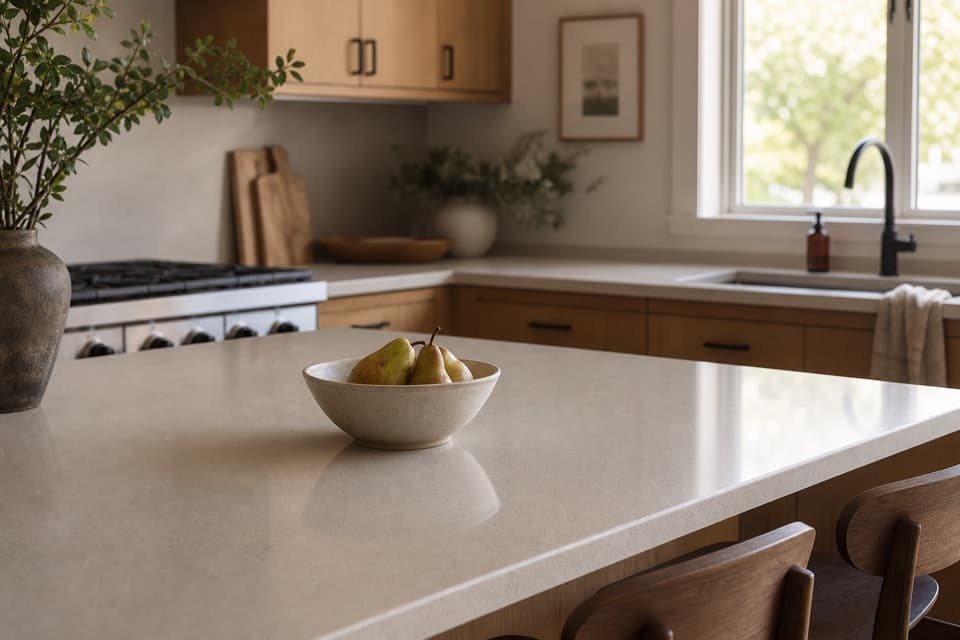
Problems example
Example condition context for cleaning-method selection.
What This Is
Residue on stainless steel reads as directional streaks, cloudy islands, or fingerprints that return immediately because the surface is still tacky from oils or surfactants.
Why It Happens
Brushed grain traps microfilm in valleys; vertical panels drain product to edges where it dries last and looks darkest.
What People Do Wrong
People saturate panels, wipe in circles against the grain, or use glass cleaners that leave polymers on brushed metal.
Professional Method
Dry-dust first, apply a light compatible cleaner, wipe with long passes that follow the grain, then dry-buff with a clean low-lint towel; repeat with fresh faces rather than more liquid.
Data and Benchmarks
Less product almost always beats more product on vertical stainless; the goal is suspension and immediate pickup.
Professional Insights
Edges and handles are residue reservoirs; finishing those zones prevents drip lines down the panel.
When to Call a Professional
Call a professional when specialty coated stainless, black stainless, or commercial kitchens need OEM-approved protocols, or when pitting suggests corrosion rather than film.
Related Topics
- [Residue on Glass Surfaces](/encyclopedia/problems/residue-on-glass-surfaces)
- [Cleaner Film on Countertops](/encyclopedia/problems/cleaner-film-on-countertops)
- [Floor Residue After Mopping](/encyclopedia/problems/floor-residue-after-mopping)
- [Product Residue Buildup](/encyclopedia/problems/product-residue-buildup)
- [Sticky Floors After Cleaning](/encyclopedia/problems/sticky-floors-after-cleaning)
- [Grease on Stainless Steel](/encyclopedia/problems/grease-on-stainless-steel)
- [Haze on Stainless Steel](/encyclopedia/problems/haze-on-stainless-steel)
- [Streaks on Stainless Steel](/encyclopedia/problems/streaks-on-stainless-steel)