problems
Soap Scum Removal
Professional guide to understanding, removing, and preventing soap scum on bathroom surfaces.
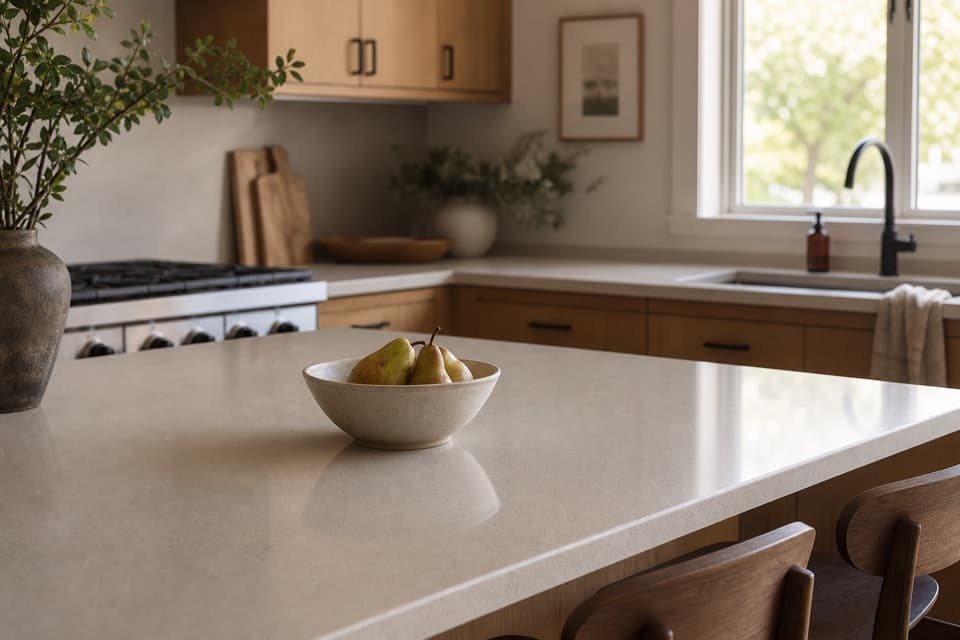
Problems example
Example condition context for cleaning-method selection.
What This Is
Soap scum is a white, cloudy, or chalky residue that accumulates on bathroom surfaces such as shower glass, tile, bathtubs, and fixtures. It forms a bonded film that becomes progressively more difficult to remove as it layers and hardens.
Why It Happens
Soap scum forms when traditional soap reacts with calcium and magnesium in water. Those minerals create insoluble deposits that bind to surfaces, especially when heat, steam, body oils, and infrequent cleaning are involved.
What People Do Wrong
Most people use neutral cleaners, skip dwell time, or scrub aggressively with abrasive tools. Those mistakes either fail to break the residue down or damage the surface while leaving the buildup in place.
Professional Method
Assess severity first. Use an acidic cleaner appropriate for the surface. Apply evenly, allow sufficient dwell time, agitate with a non-scratch tool, rinse thoroughly, and dry the surface fully with microfiber or a squeegee to prevent re-deposition.
Data and Benchmarks
Soap scum accumulates faster in hard water environments. Surface drying dramatically reduces re-formation. Light buildup can often be removed in one cycle, while layered buildup commonly requires repeat application and agitation.
Professional Insights
Synthetic body washes usually leave less insoluble residue than traditional soap bars. Surface-safe chemistry selection matters more than brute force scrubbing. Preventative drying after each shower can reduce repeated restoration work significantly.
When to Call a Professional
Call a professional when buildup does not respond to surface-safe chemistry, when glass appears permanently cloudy, when natural stone is involved, or when heavy residue is spread across the entire bathroom.