problems
Dust on Finished Wood
Wood shows dust in grain and pores; the goal is lift without micro-scratching the coating.
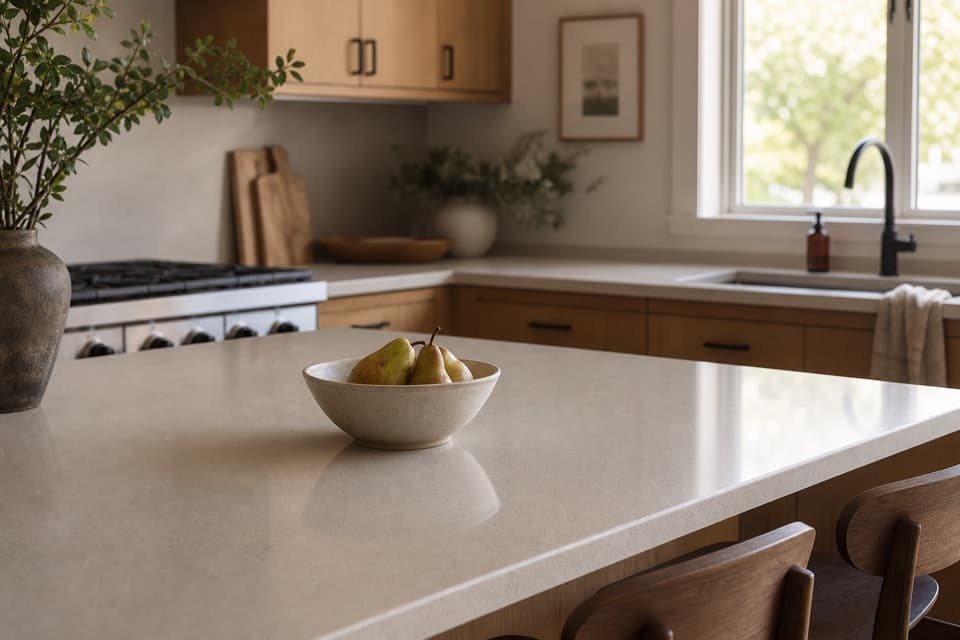
Problems example
Example condition context for cleaning-method selection.
What This Is
Dust on finished wood lodges in open grain, molding profiles, and along sheens where raking light reveals a veil.
Why It Happens
Dry winter air increases static; oils from hands create tacky zones that grab lint.
What People Do Wrong
People use dusty rags, silicone sprays that attract future dust, or back-and-forth pressure that burnishes edges.
Professional Method
Work dry-to-damp progression along grain, detail crevices with soft tools, and finish with a clean dry microfiber to reset static.
Data and Benchmarks
Low-sheen finishes hide less than gloss; adjust client expectations with lighting demos.
Professional Insights
Horizontal rails on chairs and legs often outpace tabletops for tactile dust—do not skip verticals.
When to Call a Professional
Call a professional when coatings are unknown antiques, or when floors need microfiber system training for large areas.
Related Topics
- [Dust on Baseboards](/encyclopedia/problems/dust-on-baseboards)
- [Dust on Ceiling Fans](/encyclopedia/problems/dust-on-ceiling-fans)
- [Dust on Glass Surfaces](/encyclopedia/problems/dust-on-glass-surfaces)
- [Dust Buildup](/encyclopedia/problems/dust-buildup)
- [Dust Returning Quickly](/encyclopedia/problems/dust-returning-quickly)
- [General Soil on Finished Wood](/encyclopedia/problems/general-soil-on-finished-wood)
- [Haze on Finished Wood](/encyclopedia/problems/haze-on-finished-wood)
- [Cloudy Glass vs Etched Glass](/encyclopedia/problems/cloudy-glass-vs-etched-glass)